

The Short Answer
Assisted living is for older adults who need help with daily tasks such as bathing, dressing, meals, medication reminders, and housekeeping, but who can generally participate in daily life with limited cognitive support. Memory care is for people living with Alzheimer’s disease, dementia, or significant memory loss who need a more structured setting, closer supervision, dementia informed communication, and safety features designed around confusion, wandering risk, and changing behavior.
For families in Wilmington, this distinction matters because the right choice affects daily safety, social engagement, medication consistency, and caregiver peace of mind. A parent who only needs help getting ready in the morning may do well in assisted living. A spouse who forgets where they are, becomes anxious in the evening, or needs repeated cueing throughout the day may need memory care.
The decision is not only about diagnosis. It is about how memory loss affects real daily routines.
How Assisted Living Supports Daily Independence
Assisted living focuses on helping residents remain as independent as possible while receiving practical support. Services often include help with personal care, meals, transportation coordination, medication assistance, laundry, and activities. The environment usually gives residents more personal freedom and a less restrictive daily routine than a memory care setting.
This can be a strong fit when an older adult is physically frail, recovering confidence after a health change, or no longer safe living alone, but still remembers routines, recognizes risks, and can ask for help. In a Wilmington family’s day-to-day reality, assisted living may reduce the pressure on adult children who are juggling work, appointments, and caregiving visits across the area.
The key question is whether reminders are occasional or constant. Assisted living can usually support someone who needs prompts. It may not be enough for someone who forgets the prompt moments later or becomes distressed when routines change.
How Memory Care Is Different
Memory care is built around the needs of people with cognitive decline. The differences are practical, not just labels on a brochure. The daily schedule is typically more predictable. Activities are often adapted for attention span, memory level, sensory comfort, and emotional reassurance. Team members use communication approaches that reduce frustration and help residents feel oriented.
Safety is also a major difference. Memory care environments are commonly designed to reduce the risk of wandering and limit access to unsafe areas. Families should ask each community how entrances, outdoor spaces, supervision practices, and emergency response procedures are handled. Do not assume every memory care program is arranged the same way.
Medication support may also become more involved in memory care because a resident may not understand what a medication is for, may refuse it due to confusion, or may need careful observation for side effects that show up as behavior changes.
Cognitive Support and Behavior Changes
Memory loss often brings more than forgetfulness. A person may repeat questions, hide belongings, resist bathing, become suspicious, sleep at unusual times, or feel anxious late in the day. Assisted living teams may be able to help with mild confusion, but memory care is generally better suited when these patterns are frequent or escalating.
Families in Wilmington often start comparing options after a stressful event, such as a missed medication, a fall, a kitchen safety concern, or a loved one leaving home unexpectedly. These moments are painful, but they can clarify the level of support needed. The goal is not to wait for a crisis. It is to choose a setting that matches current needs and can respond thoughtfully as dementia progresses.
Activities and Social Life
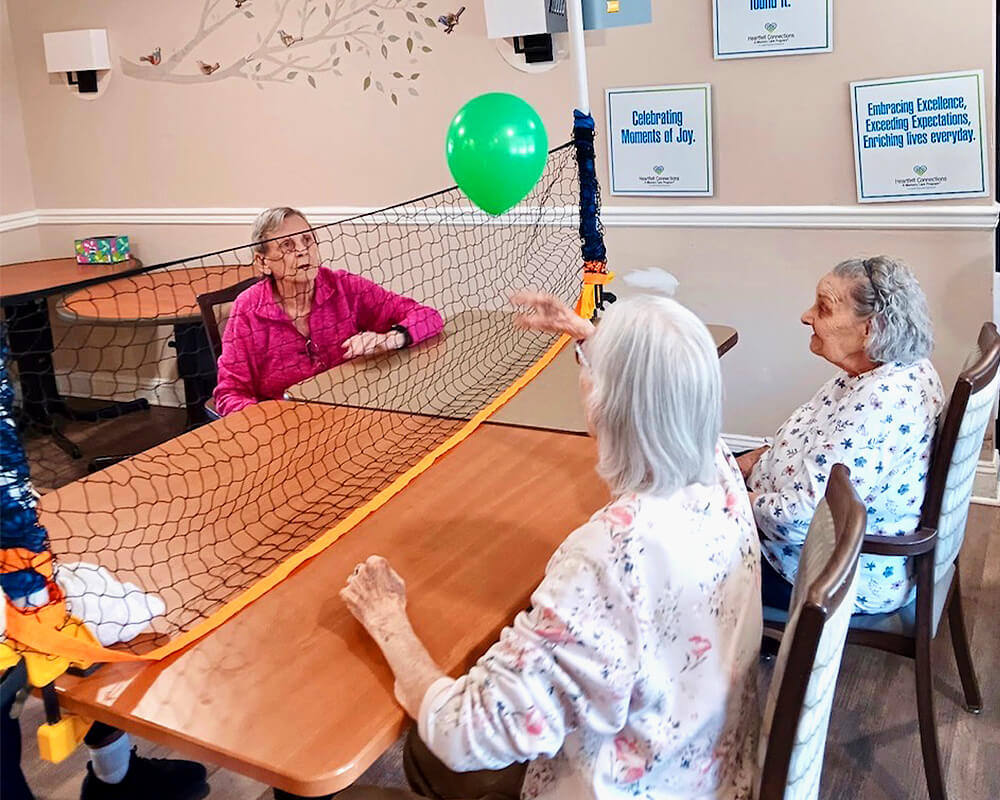
Both assisted living and memory care should support connection, purpose, and routine. The difference is how activities are structured. Assisted living activities may offer more choice and independence. Memory care programming is usually more guided, with smaller groups, familiar rhythms, and tasks that can be enjoyed even when short-term memory is limited.
A good tour question is: How do you adapt activities when a resident cannot follow multi-step instructions? Another useful question is: What happens if my loved one does not want to join a group? The answers can reveal whether the community understands dementia as a daily lived experience, not only a clinical term.
When to Consider a Move From Assisted Living to Memory Care
A move may be worth discussing when memory loss begins to interfere with safety, hygiene, nutrition, medication, or emotional stability. Warning signs can include getting lost inside a familiar building, needing repeated help with dressing or toileting, leaving appliances on, increased nighttime confusion, or becoming fearful when alone.
Families should also consider caregiver strain. If relatives are constantly visiting to fill support gaps, the current setting may no longer meet the person’s needs. In Delaware, where many families coordinate care among siblings, physicians, and community staff, a clear care plan can prevent confusion and reduce guilt.
Questions to Ask While Comparing Communities
Use tours and phone calls to look beyond general promises. Ask direct questions and listen for specific answers.
1. How do you assess whether someone needs assisted living or memory care?
2. What dementia training do team members receive, and how often is it refreshed?
3. How do you respond to wandering, agitation, sundowning, or refusal of care?
4. What does a typical day look like for a resident with moderate memory loss?
5. How are families updated when needs change?
6. What would make you recommend a transition to a different level of care?
These questions are useful when speaking with Encore Foulk Living or any senior living community in the Wilmington area. The right conversation should feel clear, respectful, and focused on your loved one’s actual routines.
Choosing the Right Fit
Assisted living and memory care can both offer meaningful support, but they solve different problems. Assisted living helps with daily tasks and independence. Memory care adds structure, supervision, and dementia specific support for people whose cognitive changes affect safety and quality of life.
If you are unsure, write down what a typical day looks like now. Include meals, hygiene, medications, sleep, confusion, mood changes, and caregiver involvement. Then compare that reality with what each setting is designed to provide. A thoughtful choice starts with honest observation, not pressure.
FAQ
Is memory care only for people with an Alzheimer’s diagnosis?
No. Memory care may also support people with other forms of dementia or significant cognitive decline. The more important question is how memory loss affects safety, daily routines, communication, and supervision needs.
Can someone start in assisted living and later move to memory care?
Yes, this is common when needs change over time. Families should ask how a community assesses changing care needs and how it supports transitions as memory loss progresses.
What safety features should families ask about in memory care?
Ask about supervision practices, entry and exit monitoring, outdoor access, fall response, emergency procedures, and how the team handles wandering or nighttime confusion. Each community may approach safety differently.
How do I know if assisted living is no longer enough?
Assisted living may no longer be enough if your loved one needs frequent cueing, forgets medications, gets lost, has rising anxiety, resists basic care, or needs close supervision to remain safe.
What should Wilmington families bring to a senior living tour?
Bring a medication list, recent care concerns, notes about memory changes, daily routine details, and questions from family members. This helps the community discuss the most appropriate level of support.
Need Help Comparing?
If you are comparing assisted living and memory care for someone you love, contact Encore Foulk Living to ask questions, discuss current needs, and schedule a personal conversation about the right level of support.